
 ★ 8.1
OnShort
OnShort began as a short-video app. This guide keeps the name and the format for cinema: 150 short films of 40 minutes or less, from the first films of the Lumière brothers and Georges Méliès to the shorts of Pixar, Disney and DreamWorks, Looney Tunes, Soviet animation, anime, Aardman and Wes Anderson, with synopses, credits and where to watch.
Stories
PixarPixar shorts
Watch all (13)★ 8.1 ★ 7.6
 ★ 7.5
 ★ 7.6
 ★ 7.1
 ★ 7.2
 ★ 7.7
 ★ 7.2
 ★ 7.8
 ★ 7.3
 ★ 7.3
 ★ 7.7
DisneyDisney shorts
Watch all (13)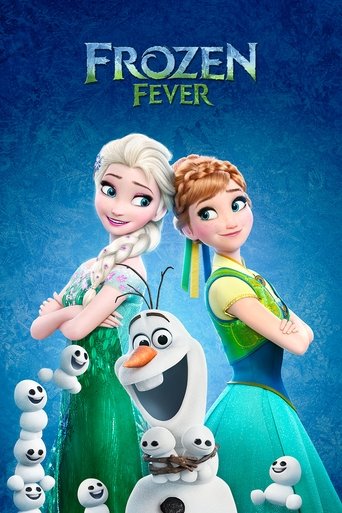 ★ 6.8
 ★ 8.0
 ★ 6.5
 ★ 7.1
 ★ 7.7
 ★ 7.8
 ★ 7.8
 ★ 7.3
 ★ 6.9
 ★ 6.9
 ★ 8.3
 ★ 8.1
DreamWorksDreamWorks shorts
Watch all (13)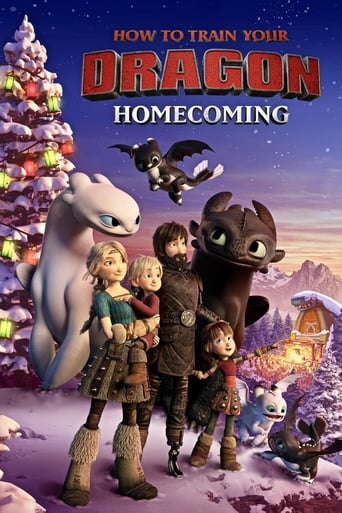 ★ 8.0
 ★ 6.4
 ★ 6.5
 ★ 6.7
 ★ 6.7
 ★ 6.8
 ★ 7.3
 ★ 6.9
 ★ 7.0
 ★ 7.2
 ★ 6.5
 ★ 6.1
WarnerWarner Bros. Animation
Watch all (13)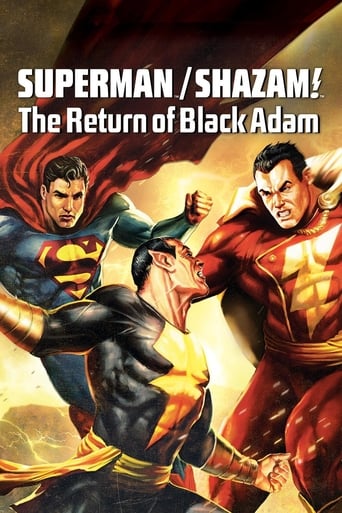 ★ 7.0
 ★ 7.1
 ★ 8.1
 ★ 6.6
 ★ 6.9
 ★ 7.1
 ★ 6.8
 ★ 6.9
 ★ 7.6
 ★ 7.4
 ★ 6.5
 ★ 8.4
RussianRussian animation
Watch all (13) ★ 7.5
 ★ 7.6
 ★ 7.4
 ★ 8.0
 ★ 7.3
 ★ 7.5
 ★ 7.3
 ★ 7.5
 ★ 7.0
 ★ 7.3
 ★ 7.7
 ★ 7.1
FranchiseFranchise shorts
Watch all (13) ★ 7.2
 ★ 6.5
 ★ 7.2
 ★ 6.3
 ★ 6.7
 ★ 6.4
 ★ 6.9
 ★ 7.2
 ★ 7.2
 ★ 6.4
 ★ 7.6
 ★ 6.4
PioneerThe pioneers
Watch all (12)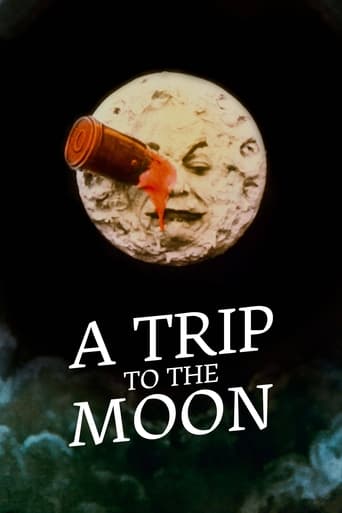 ★ 7.9
 ★ 7.0
 ★ 6.8
 ★ 6.4
 ★ 7.3
 ★ 7.2
 ★ 7.1
 ★ 5.2
 ★ 6.5
 ★ 6.0
 ★ 6.3
 ★ 6.2
Silent comedySilent comedy
Watch all (13)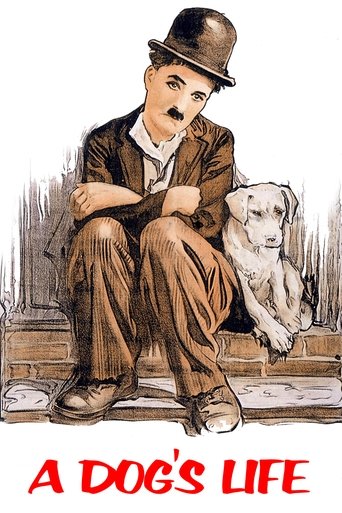 ★ 7.3
 ★ 7.9
 ★ 7.3
 ★ 7.2
 ★ 6.8
 ★ 7.1
 ★ 7.2
 ★ 7.4
 ★ 7.0
 ★ 7.1
 ★ 5.6
 ★ 6.6
Silent artSilent drama and the avant-garde
Watch all (8)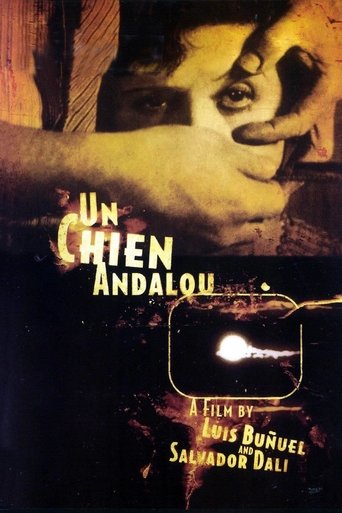 ★ 7.4
 ★ 6.1
 ★ 6.5
 ★ 6.3
 ★ 6.2
 ★ 7.0
 ★ 6.1
 ★ 6.6
AnimeAnime shorts
Watch all (13) ★ 6.5
 ★ 7.9
 ★ 7.1
 ★ 6.5
 ★ 7.1
 ★ 6.7
 ★ 7.1
 ★ 7.1
 ★ 7.3
 ★ 7.1
 ★ 7.1
 ★ 7.2
IndieIndependent animation
Watch all (13)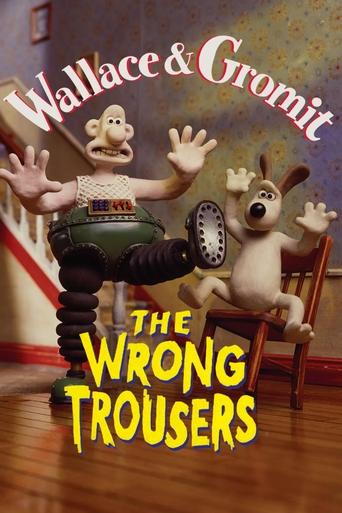 ★ 7.8
 ★ 7.5
 ★ 7.5
 ★ 8.0
 ★ 7.7
 ★ 7.6
 ★ 7.7
 ★ 8.2
 ★ 7.4
 ★ 7.5
 ★ 7.1
 ★ 6.9
Live actionLive-action shorts
Watch all (13) ★ 7.5
 ★ 7.3
 ★ 7.9
 ★ 6.9
 ★ 7.0
 ★ 6.8
 ★ 6.8
 ★ 6.6
 ★ 6.3
 ★ 7.0
 ★ 6.5
 ★ 7.6
The OnShort guide
OnShort: short films, one tap at a time
Short films, one tap at a time
The short film is the oldest form of cinema and, in the age of the phone, one of the newest. The first films ever shown to a paying audience, in Paris in 1895, lasted less than a minute each; more than a century later, the most watched images in the world are clips of a few seconds on a vertical screen. Between the two lies a whole history of short cinema that most viewers know only in fragments: the cartoon before the feature, the Pixar short that opens a new film, the student film that wins a prize at a festival, the music of a Soviet hedgehog lost in the fog. OnShort gathers that history in one place. It is an English guide to 150 short films, every one of them 40 minutes or less, each with its English synopsis, its credits and a Watch now button that opens it on JustWatch.
The 150 shorts sit on twelve shelves in four families. The Studio shorts are the shorts of Pixar, Disney and DreamWorks, the three studios that made the short film a regular companion of the animated feature. The Cartoon classics gather the Warner Bros. cartoons, from Bugs Bunny and Daffy Duck to the DC Showcase films, the great school of Soviet and Russian animation, and the shorts made inside the big film franchises, from Marvel to Ice Age and The Simpsons. The silent era goes back to the first films, the silent comedians and the avant-garde of the 1920s. And the New shorts gather anime, independent animation and live-action shorts. The guide Why short films explains the idea, and the guide Start with OnShort picks one short from each family.
The average short of the guide lasts sixteen minutes, and together all 150 last about 2,467 minutes, a little more than 41 hours, about as long as twenty feature films. Fifty-two of them last ten minutes or less, and six last a single minute. They carry about 83,000 votes on TMDB, with an average rating of 7.12, and ten of them reach 8 or more, led by DC Showcase: Death, at 8.4, and Once Upon a Studio, the Disney centenary short of 2023, at 8.3. The oldest are the films of 1895, the newest the anime of 2024.
The app of 2022
The name comes from a short-video app. The Wayback Machine keeps a copy of its download page at onshort.me from March 2022, and the page is a pure product of the phone era. It is built for a narrow screen: a video plays behind a black veil at half opacity, a rounded pink app tile sits in the middle with the name ONShort, a line of white text invites the visitor to watch short videos, and a single button, a pill with fully rounded ends painted in a gradient from magenta to violet, offers the download for Android. The earlier domain, onshort.com, was a parked page, and later captures show only advertising.
This guide keeps the colours and the form of that page and gives them to the short film. The background is a deep violet night, as if the veil were still there; the logo is a rounded pink tile with a play sign; the buttons are magenta-to-violet pills. The shelves open with a row of round bubbles with a gradient ring, like the stories at the top of a video app, one bubble for each shelf; under them, each shelf sits in a dark rounded panel with a pill button to watch all its films, and the posters have rounded corners like video tiles. Behind every poster is a full film page with the synopsis, the credits and the Watch now button, which opens JustWatch, the service that shows where the film can be watched in your country. The guide The app of 2022 describes the capture.
How the shelves work
Every film of the guide lasts 40 minutes or less according to TMDB, the usual limit for a short film at the Academy Awards, which define a short as a film of 40 minutes or less including credits. Each shelf keeps its thirteen most voted films, after setting aside documentaries, music videos and a few films with doubtful records. The shelves are exclusive, and the rules follow the order of the families: a short made by Pixar, Disney or DreamWorks goes to its studio; then come the Warner cartoons, the Russian and Soviet films and the shorts of the big franchises; then the silent era, with the films up to 1904 for the pioneers, the comedies of 1905 to 1929 for the silent comedians and the other silent films for the avant-garde; and finally the Japanese shorts, the other animated shorts and the live-action shorts. One film is placed by hand: Steamboat Willie, the first Mickey Mouse cartoon with synchronised sound, sits with Disney rather than with the silent films.
The silent drama shelf is the smallest of the guide, with eight films, because the silent era left fewer dramas of short length in the most voted lists than comedies. The pioneers shelf holds twelve, and the other ten shelves hold thirteen films each. The cards show the tag of the shelf, such as Pixar, Pioneer or Live action, and in the family lists and the three extra collections the tag tells you at once where each short comes from. The guide How the shelves work sums up the rules.
Studio shorts
The first family, Studio shorts, belongs to the three studios that keep the short film alive inside the multiplex. Pixar has shown a short before almost every one of its features since the 1990s; Disney revived the tradition in the 2010s, and DreamWorks made a habit of holiday specials and spin-offs for television. The family holds about 34,000 votes, the most of the four, and an average of 7.26. The guide Studio shorts sums it up.
Pixar shorts
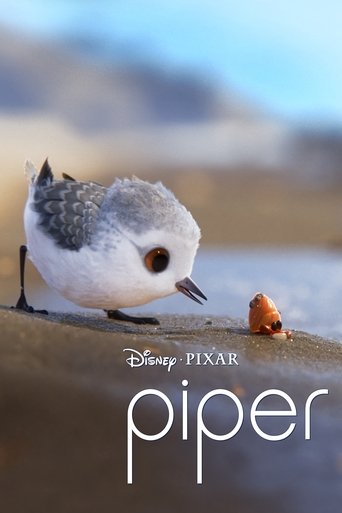
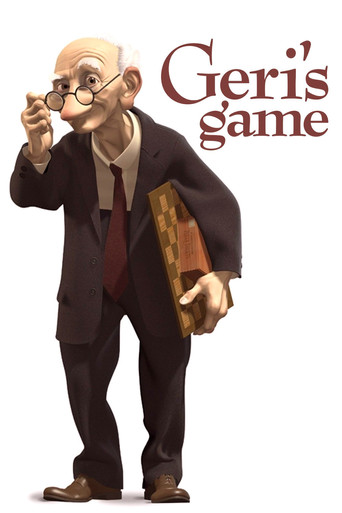
The shelf Pixar shorts is the most voted shelf of the guide, with about 15,500 votes, and a showcase of the studio as a laboratory. Its most voted and best rated film is Piper, of 2016, by Alan Barillaro, with an 8.1: a sandpiper chick learns to find food on a beach while the waves terrify her, in images so detailed that every grain of sand and every feather seems real; it won the Academy Award for best animated short. Three more Oscar winners are on the shelf: Geri's Game, of 1997, by Jan Pinkava, an old man playing chess against himself in a park; For the Birds, of 2000, by Ralph Eggleston, a flock of small birds on a telephone wire who mock a large clumsy one; and Bao, of 2018, by Domee Shi, a Chinese Canadian mother whose dumpling comes to life, the first Pixar short directed by a woman.
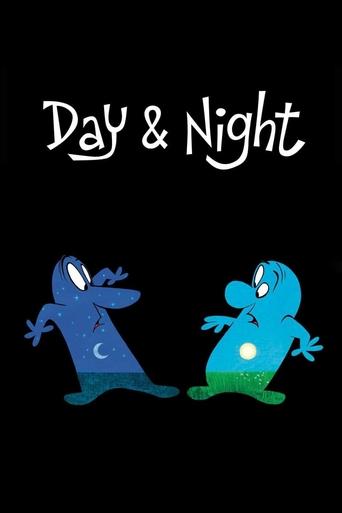
Several shorts of the shelf were shown before a feature. Presto, of 2008, a magician and a hungry rabbit, opened WALL·E; Partly Cloudy, of 2009, the clouds that make babies and the stork who must deliver the most dangerous ones, opened Up; Day & Night, of 2010, two characters whose bodies are windows on the day and on the night, opened Toy Story 3; La luna, of 2012, by Enrico Casarosa, the future director of Luca, a boy who sweeps the stars from the Moon with his father and grandfather, opened Brave; and Lava, of 2015, the love song of a volcano, opened Inside Out. Two shorts continue the stories of the features: Jack-Jack Attack, of 2005, by Brad Bird, which tells what happened to the baby of The Incredibles, and Riley's First Date, of 2015, from the world of Inside Out. The two Toy Story television specials, the Halloween one of 2013 and Toy Story That Time Forgot, of 2014, at 22 minutes, are the longest films of the shelf.
Disney shorts
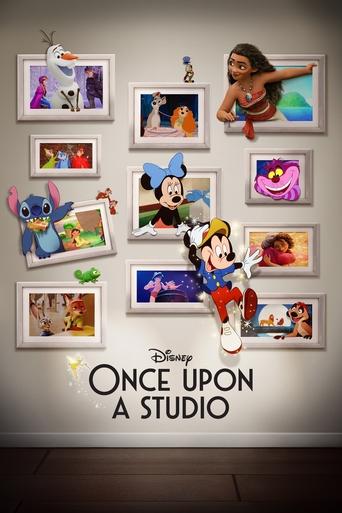
The shelf Disney shorts covers almost a century, from Steamboat Willie, of 1928, by Walt Disney, the cartoon that introduced Mickey Mouse to the world with synchronised sound, to Once Upon a Studio, of 2023, the second best rated film of the guide, at 8.3, made for the hundredth birthday of the studio, in which the characters of a century of Disney films step out of the frames on the walls of the studio for a group photograph. Mickey's Christmas Carol, of 1983, a 25-minute version of Dickens with Scrooge McDuck as Scrooge, brought Mickey back to the screen after a long absence.
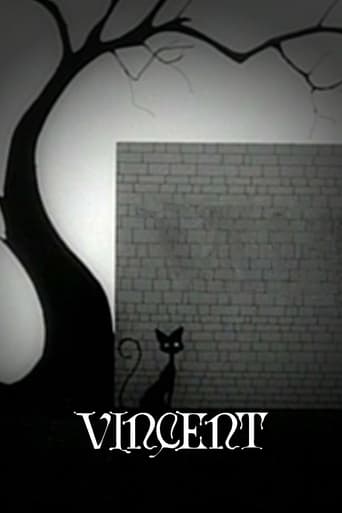
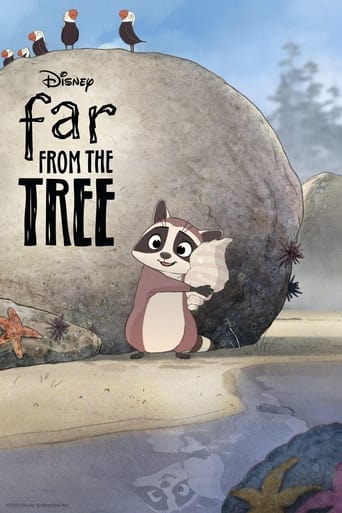
Tim Burton made two of his first films at Disney: Vincent, of 1982, a stop-motion poem about a boy who dreams of being Vincent Price, narrated by Price himself, and Frankenweenie, of 1984, a live-action short about a boy who brings his dog back to life, which he later remade as a feature. The modern Disney shorts are some of the most loved of the guide: Paperman, of 2012, by John Kahrs, an 8.0, a black and white romance between two office workers and a stream of paper planes, and Feast, of 2014, by Patrick Osborne, the life of a man seen through the meals he shares with his dog, both winners of the Academy Award. Far from the Tree, of 2021, an 8.1, about a raccoon parent and child on a beach, and Us Again, of 2021, an old couple who dance their youth back for one night in the rain, are among the best rated shorts of the shelf.
The Frozen and Tangled films have their own shorts: Frozen Fever, of 2015, the most voted film of the shelf, with Elsa catching a cold that releases little snowmen on the birthday of her sister; Olaf's Frozen Adventure, of 2017, a Christmas special; Once Upon a Snowman, of 2020, the first steps of Olaf, and Tangled Ever After, of 2012, the chaotic wedding of Rapunzel. The guide The Oscar shorts lists every winner of the Academy Award in the guide.
DreamWorks shorts
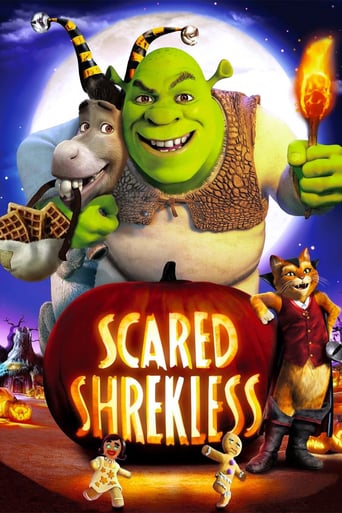
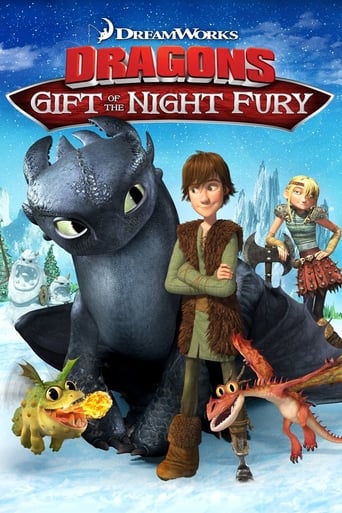
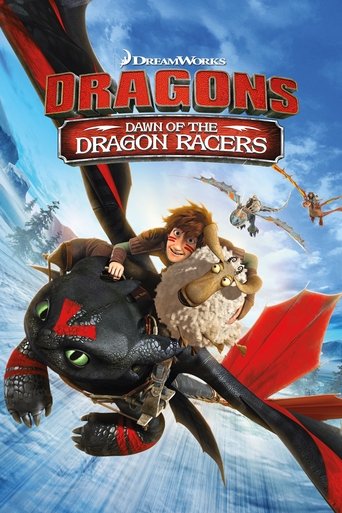
The shelf DreamWorks shorts runs from 2004 to 2019 and reads like a tour of the franchises of the studio. Its most voted and best rated film is How to Train Your Dragon: Homecoming, of 2019, with an 8.0, a Christmas special in which Hiccup and the people of Berk, now living apart from their dragons, remember them through a new holiday; two more Dragons specials are here, Dragons: Gift of the Night Fury, of 2011, and Dragons: Dawn of the Dragon Racers, of 2014. Shrek appears three times, in Shrek the Halls, of 2007, a Christmas special, in Scared Shrekless, of 2010, a Halloween special of scary stories, and in Shrek 3-D, of 2004, a short made for theme park attractions.
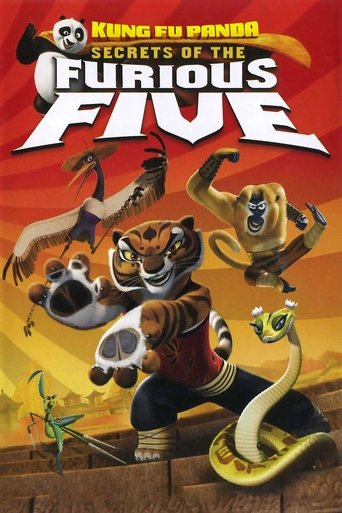
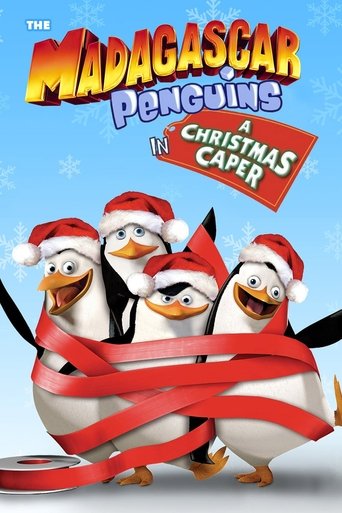
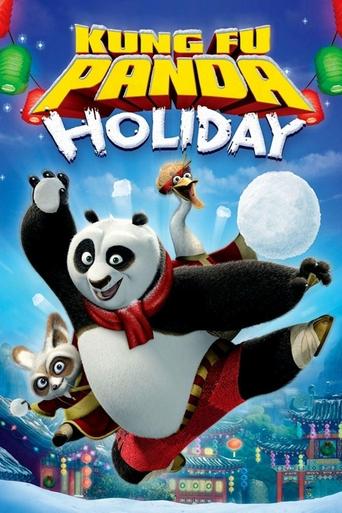
Kung Fu Panda has two shorts, Kung Fu Panda: Secrets of the Furious Five, of 2008, in which Po tells the stories of how each of his friends learned kung fu, and Kung Fu Panda Holiday, of 2010; Madagascar has two, the penguins' Christmas caper of 2005 and Merry Madagascar, of 2009, in which the animals accidentally knock Santa out of the sky. Puss in Boots: The Three Diablos, of 2012, with Antonio Banderas, Trolls Holiday, of 2017, and Mutant Pumpkins from Outer Space, of 2009, the Halloween special of Monsters vs. Aliens, complete the shelf. Gary Trousdale, one of the directors of Beauty and the Beast, directed three of its films.
Cartoon classics
The second family, Cartoon classics, gathers three very different traditions of the short cartoon: the Warner Bros. studio, home of the Looney Tunes and later of the DC animated films; the great animators of the Soviet Union and Russia; and the shorts that the big franchises of the 2010s made around their films and their streaming services. The family holds about 14,000 votes, with an average of 7.15. The guide Cartoon classics sums it up.
Warner Bros. Animation
The shelf Warner Bros. Animation joins two golden ages. The first is that of the Looney Tunes, represented by three cartoons by Chuck Jones from 1952 and 1953, all with the voice of Mel Blanc. Duck Amuck, of 1953, with an 8.1, is one of the most celebrated cartoons ever made: Daffy Duck fights an unseen animator who keeps erasing and redrawing the world around him, changing his costume, his voice and even his body, until the last shot reveals who holds the pencil. Duck Dodgers in the 24½th Century, of 1953, sends Daffy into space as a hero of science fiction, and Rabbit Seasoning, of 1952, is the second of the hunting trilogy in which Bugs Bunny and Daffy Duck argue in front of Elmer Fudd about whose season it is.
The second golden age is that of the DC Showcase, a series of shorts made by Warner Bros. Animation from 2010 to accompany its DC animated films on home video, each dedicated to a hero who rarely gets a feature. The best rated film of the guide belongs to it: DC Showcase: Death, of 2019, by Sam Liu, with an 8.4, in which a struggling young painter spends a day with Death, the sister of Dream from the Sandman comics. The most voted film of the shelf is Superman/Shazam!: The Return of Black Adam, of 2010, a 25-minute adventure of Captain Marvel; Joaquim Dos Santos directed it and three more shorts of the shelf, the ones about Green Arrow, Jonah Hex and the Spectre. Catwoman, Constantine and a Batman story taken from the comic Death in the Family have their own shorts, and Tales of the Black Freighter, of 2009, with Gerard Butler, adapts the pirate comic read by a character inside Watchmen.
Russian animation
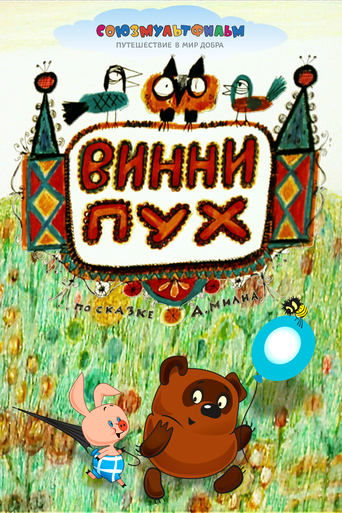
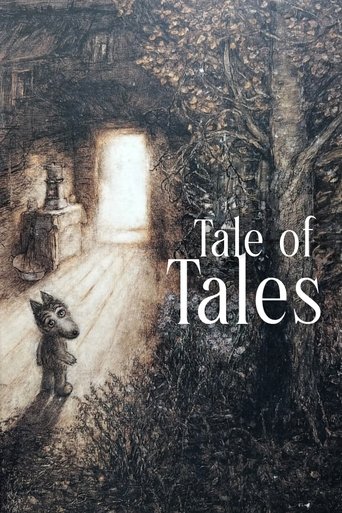
The shelf Russian animation gathers thirteen films from 1912 to 1999, most of them made at Soyuzmultfilm, the Moscow studio founded in 1936 that became one of the great animation studios of the world. Its most voted film is Hedgehog in the Fog, of 1975, by Yuri Norstein, a little hedgehog who walks through the fog to visit his friend the bear cub and meets a white horse, an owl and a river, a ten-minute masterpiece that has often been voted the best animated film of all time in polls of animators. Norstein also made Tale of Tales, of 1979, a dreamlike memory of the war and of childhood, which has topped similar polls.
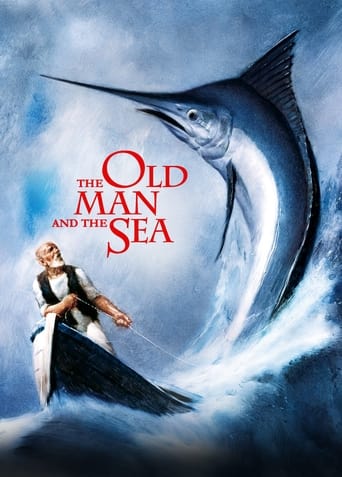
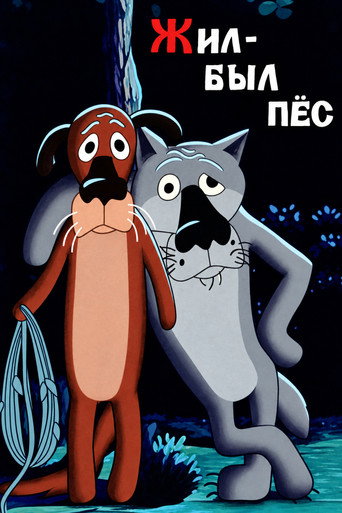
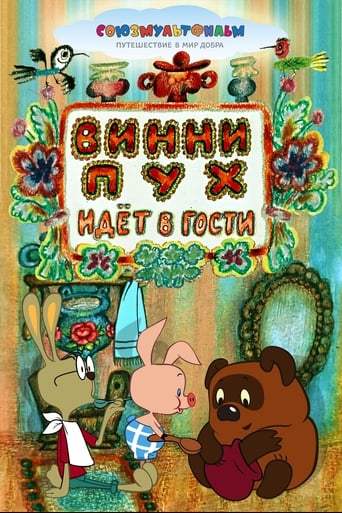
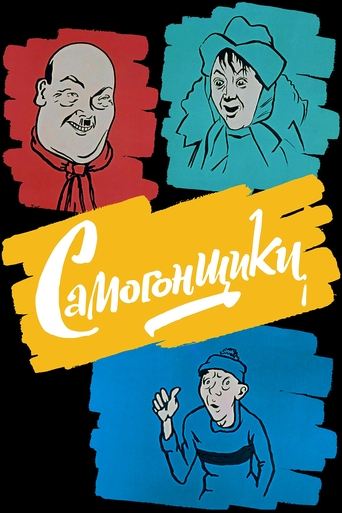
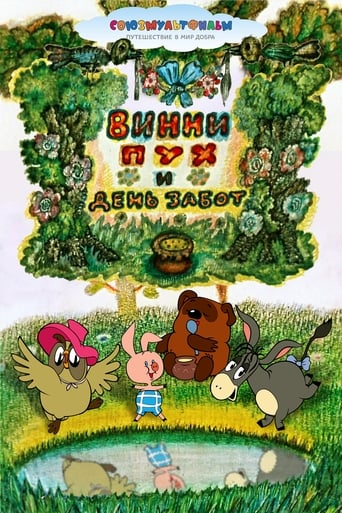
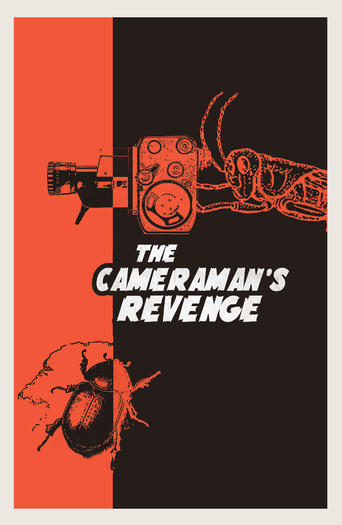
The best rated film of the shelf, with an 8.0, is Once Upon a Time, There Lived a Dog, of 1982, by Eduard Nazarov, the friendship of an old dog chased from his farm and a wolf. The Soviet Winnie-the-Pooh, begun by Fyodor Khitruk in 1969, with its round, flat little bear and the voice of Evgeni Leonov, has three films here and is a separate Pooh from the Disney one. Gena the Crocodile, of 1969, by Roman Kachanov, introduced the crocodile Gena and the furry little creature Cheburashka; Three from Prostokvashino, of 1978, follows a boy who leaves the city for a village with a talking cat and a dog; The Bremen Town Musicians, of 1969, is a rock musical; and Junior and Karlson, of 1968, a version of the Swedish books about a little man with a propeller on his back. Bootleggers, of 1961, by Leonid Gaidai, is a live-action comedy. The two oldest and youngest films of the shelf are both unusual: The Cameraman's Revenge, of 1912, by Władysław Starewicz, a satire of adultery acted by insects animated one frame at a time, and The Old Man and the Sea, of 1999, by Aleksandr Petrov, painted in oil on glass, frame by frame, which won the Academy Award for best animated short.
Franchise shorts
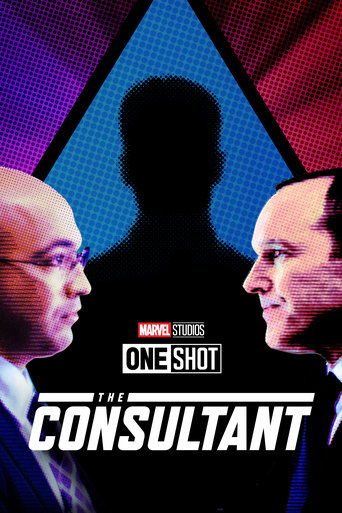
The shelf Franchise shorts collects the shorts made inside the great film series of the 2010s and early 2020s, from 2011 to 2021. Five are Marvel One-Shots, the shorts that Marvel Studios added to the home video releases of its films to explore the corners of its universe: Agent Carter, of 2013, the most voted film of the shelf, with Hayley Atwell as Peggy Carter after the war; The Consultant and the short about Thor's hammer, of 2011, with Clark Gregg as Agent Coulson; Item 47, of 2012, and All Hail the King, of 2014, with Ben Kingsley. Team Thor, of 2016, by Taika Waititi, a mockumentary about Thor sharing a flat in Australia with an office worker, led to the comic tone of Thor: Ragnarok, and the Deadpool short of 2017, by David Leitch, was shown before Logan.
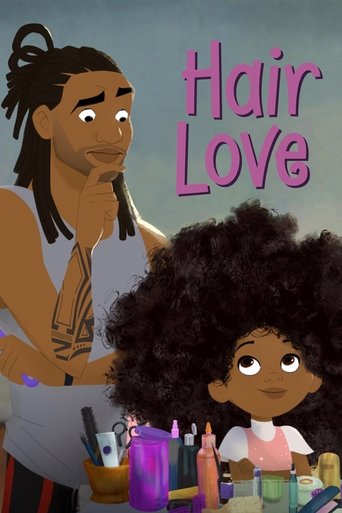
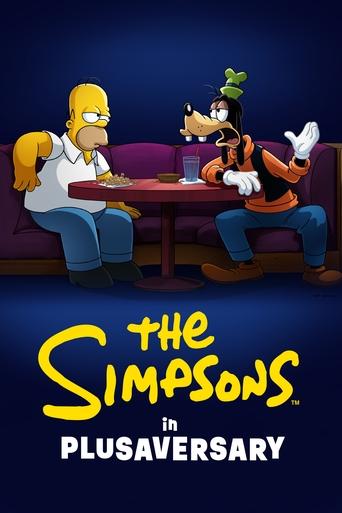
The other shorts of the shelf come from Fox, Sony and Disney+. Ice Age has two specials, A Mammoth Christmas, of 2011, and the Easter egg hunt of 2016; The Simpsons has two shorts made for Disney+, the Loki crossover of 2021 and Plusaversary; and Hotel Transylvania one, Monster Pets, of 2021. The best rated film of the shelf, with a 7.6, is Hair Love, of 2019, by Matthew A. Cherry, a father who learns to style the hair of his daughter for an important day, made with Sony Pictures Animation after a crowdfunding campaign, which won the Academy Award for best animated short.
The silent era
The third family, The silent era, goes back to the years when every film was short. In the first decade of cinema a film lasted a minute or a few, the length of one reel, and even after the arrival of the feature film in the 1910s the short comedy and the short drama remained the daily bread of the cinemas. The family holds 33 films from 1895 to 1929, with about 10,000 votes, and the guide The silent era sums it up.
The pioneers
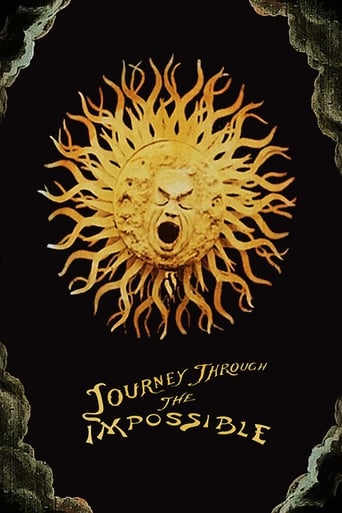
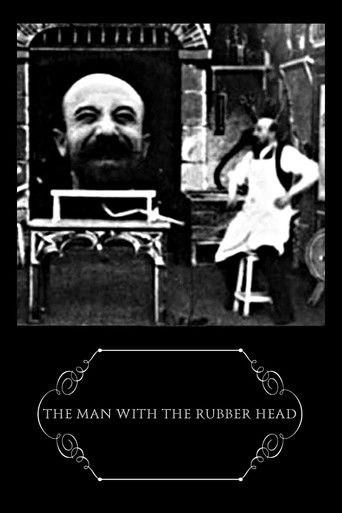
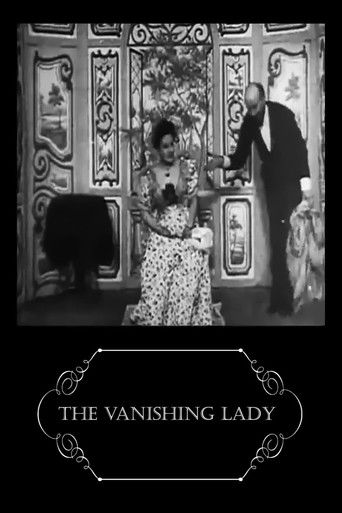
The shelf The pioneers holds twelve films from 1895 to 1904, the first decade of the moving image. The most voted film of the shelf, and of the whole guide, is A Trip to the Moon, of 1902, by Georges Méliès, with about 2,100 votes: a group of astronomers is fired from a cannon to the Moon, where the capsule lands in the eye of the Man in the Moon, one of the most famous images in the history of film. Méliès, a stage magician who became a film-maker, directed six films of the shelf, as many as Charlie Chaplin and more than any other director in the guide, and his films are full of the tricks he invented with the camera: heads that multiply and sing in The Four Troublesome Heads, of 1898, a head inflated with a pair of bellows in The Man with the Rubber Head, of 1901, a woman who vanishes and turns into a skeleton in The Vanishing Lady, of 1896, and a whole fantastic voyage to the Sun in The Impossible Voyage, of 1904, at 20 minutes the longest film of the shelf.
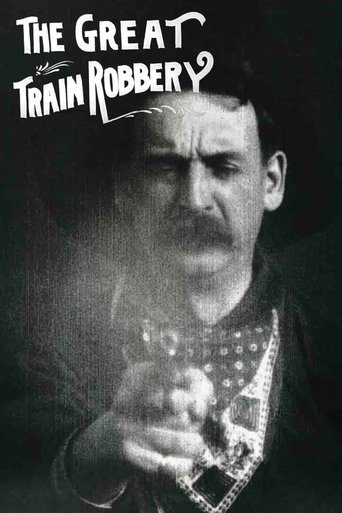
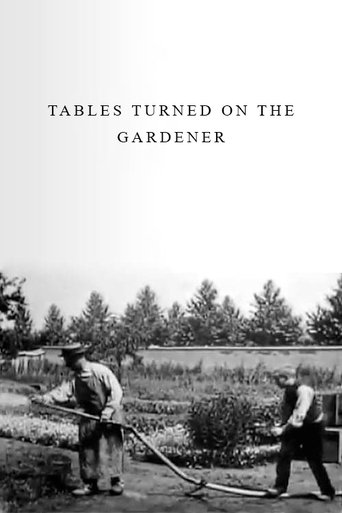
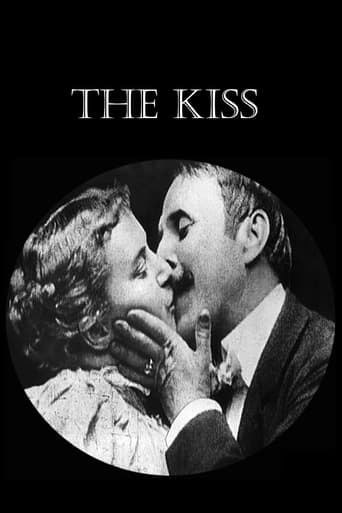
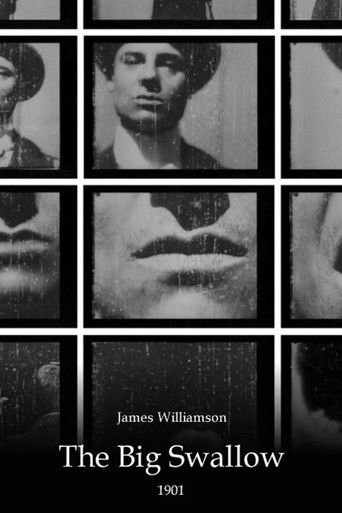
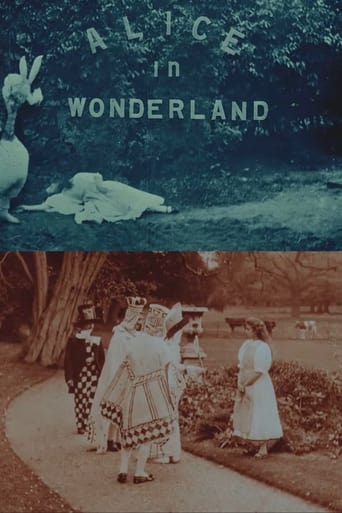
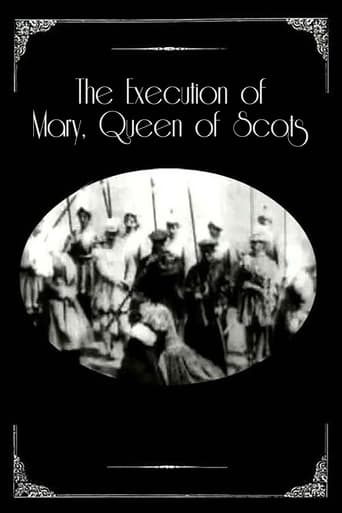
The other pioneers are just as important. The Sprinkler Sprinkled, of 1895, by Louis Lumière, is the first comedy in film history: a boy steps on the hose of a gardener and lets the water go when the man looks into the nozzle. The Kiss, of 1896, by William Heise for the Edison company, shows a kiss between the actors May Irwin and John C. Rice, and caused a scandal; the same company made The Execution of Mary, Queen of Scots, of 1895, which used one of the first special effects, a stop in the camera to replace the actor with a dummy. The Great Train Robbery, of 1903, by Edwin S. Porter, is the first great western, a robbery and a chase in twelve minutes that ends with a bandit firing straight at the audience. From England come The Big Swallow, of 1901, by James Williamson, a man who walks up to the camera and swallows it, and the first film version of Alice in Wonderland, of 1903, by Cecil Hepworth.
Silent comedy
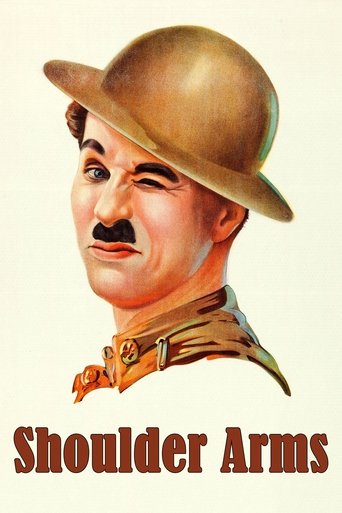
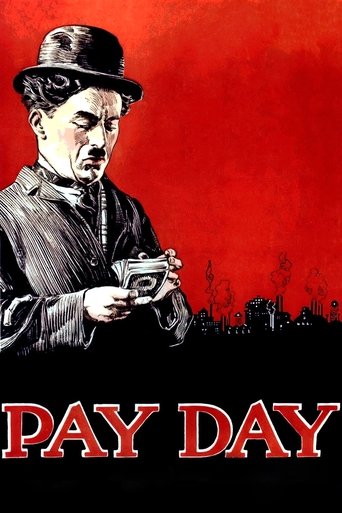
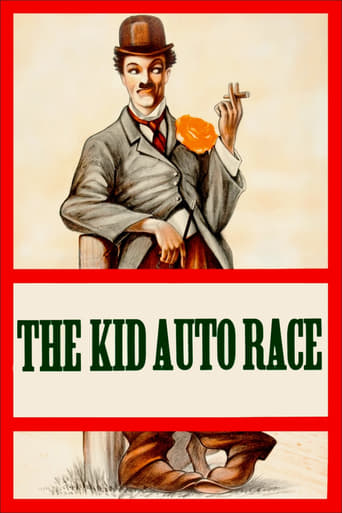
The shelf Silent comedy belongs to the two great clowns of the silent screen, Charlie Chaplin and Buster Keaton, who share twelve of its thirteen films. Chaplin directed six of them, from The Immigrant, Easy Street and The Adventurer, of 1917, his year at the Mutual company, when he made some of his most perfect two-reel comedies, to A Dog's Life, of 1918, the most voted film of the shelf, the adventures of the Tramp and a stray dog, and Shoulder Arms, of 1918, a comedy of the trenches of the First World War, which at 36 minutes is one of the longest films of the guide. Pay Day, of 1922, his last short, follows a construction worker on payday. The oldest Chaplin of the shelf is the very first appearance of the Tramp, in Kid Auto Races at Venice, of 1914, in which Chaplin keeps getting in front of a camera filming a children's car race.
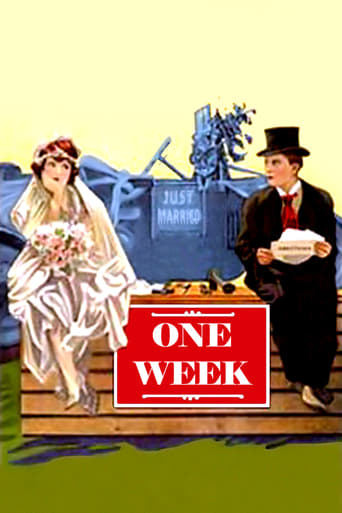
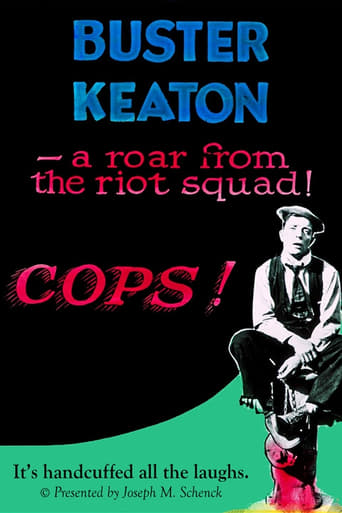
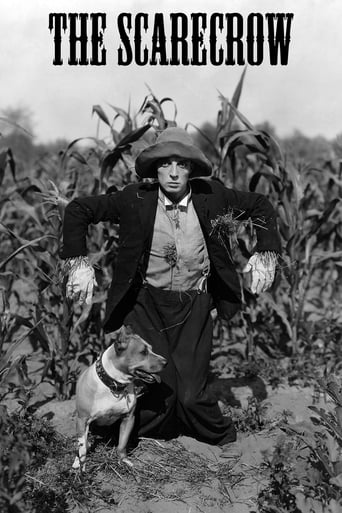
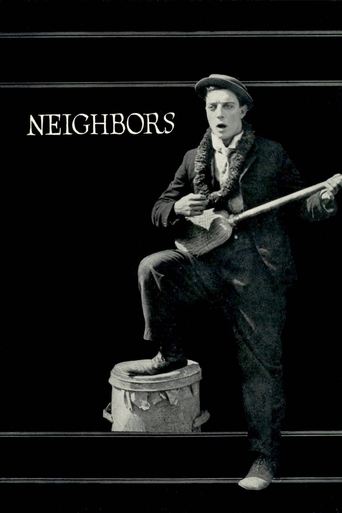
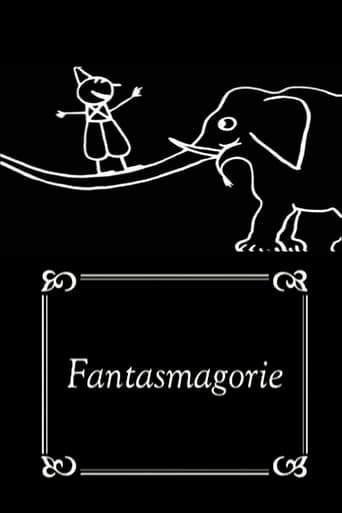
Keaton made his own shorts from 1920, mostly with Edward F. Cline, and his films are machines of gags of a precision that still astonishes. The best rated film of the shelf, with a 7.9, is One Week, of 1920, his first independent short, in which a newly married couple builds a kit house whose numbered boxes have been switched by a jealous rival, with results that grow more absurd as the week goes on. The Scarecrow, of 1920, opens in a house where every object has two uses; Neighbors, of 1920, is a Romeo and Juliet of the tenements; The Goat, of 1921, a case of mistaken identity with a murderer, and Cops, of 1922, a chase in which Keaton is pursued by the whole police force of Los Angeles. The thirteenth film of the shelf is the oldest and the shortest: Fantasmagorie, of 1908, by Émile Cohl, a two-minute film often called the first fully animated cartoon, drawn in chalk-white lines on black.
Silent drama and the avant-garde
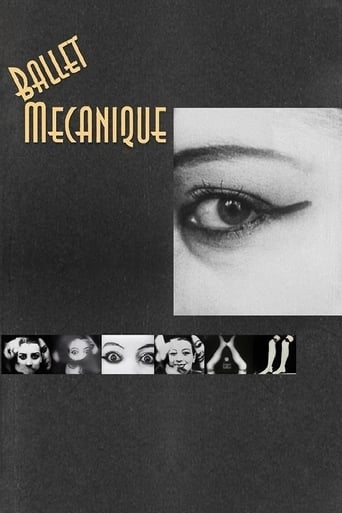
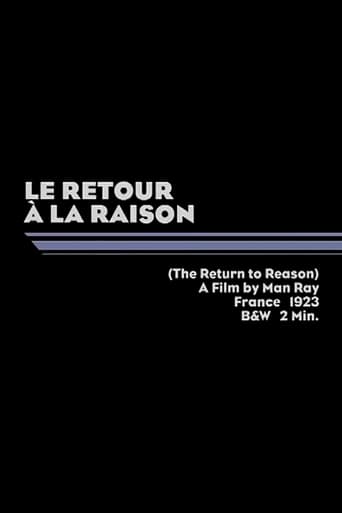
The shelf Silent drama and the avant-garde holds eight films that show the other paths of the silent short. Its most voted and best rated film is Un Chien Andalou, of 1929, by Luis Buñuel and Salvador Dalí, with a 7.4, the surrealist film of dream logic that opens with a razor and an eye and has shocked audiences ever since. The Paris avant-garde of the 1920s gives the shelf two more films: Ballet Mécanique, of 1924, by the painter Fernand Léger, a dance of machines, objects and faces, and Return to Reason, of 1923, by Man Ray, made by laying objects directly on the film; both feature Kiki of Montparnasse, the muse of the artists of the time.
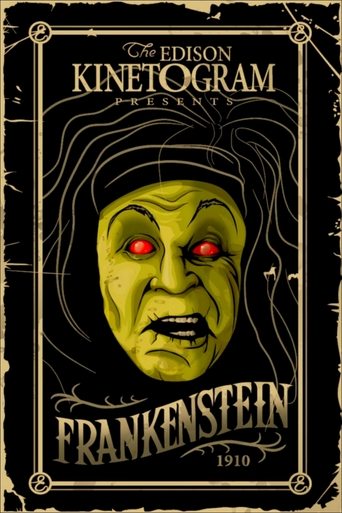
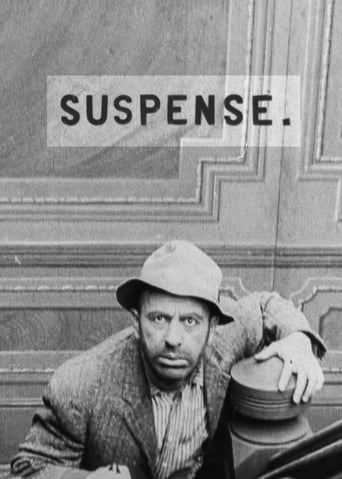
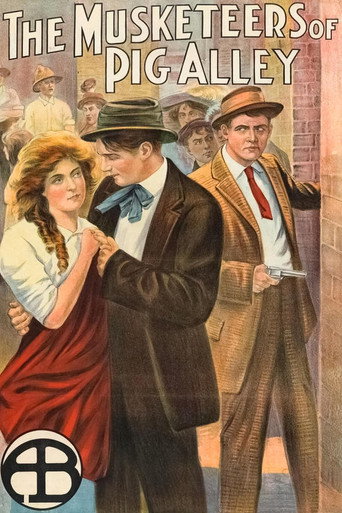
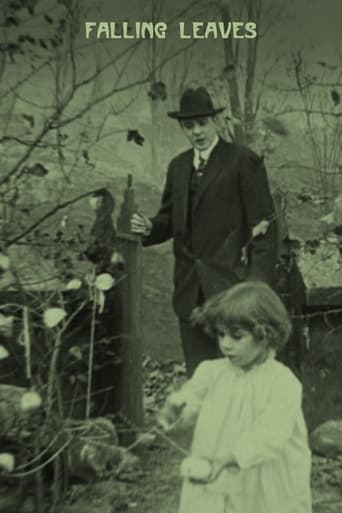
The early American dramas are just as inventive. Frankenstein, of 1910, by J. Searle Dawley for the Edison company, is the first film version of the novel of Mary Shelley, with a creature born in a vat of chemicals. D. W. Griffith has two films on the shelf, A Corner in Wheat, of 1909, a sharp parable about a speculator who corners the market in wheat while the poor go hungry, and The Musketeers of Pig Alley, of 1912, with Lillian Gish, one of the first gangster films. Two films are by women who were among the first great directors: Suspense, of 1913, by Lois Weber, a thriller with a split screen in three parts, and Falling Leaves, of 1912, by Alice Guy-Blaché, the first woman to direct a film, about a little girl who ties the leaves back onto a tree to save her sick sister.
New shorts
The last family, New shorts, gathers the short films made outside the big Hollywood studios since the middle of the twentieth century: the anime of Japan, independent animation from Britain, America and beyond, and live-action shorts from the French New Wave to Wes Anderson. It is the second most voted family, with about 24,600 votes, and the guide New shorts sums it up.
Anime shorts
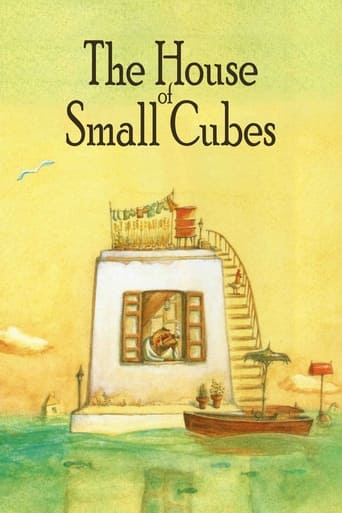
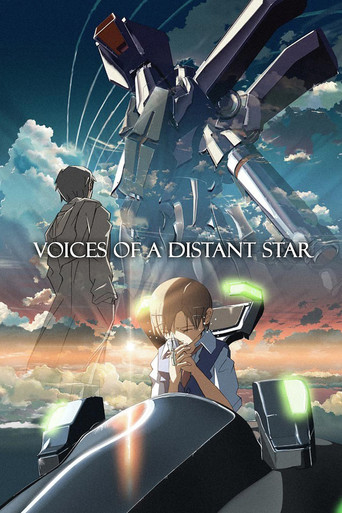
The shelf Anime shorts holds thirteen Japanese films from 1993 to 2024. Its best rated film, with a 7.9, is La Maison en Petits Cubes, of 2008, by Kunio Kato, an old man who lives in a town flooded by a rising sea and builds his house higher and higher, one level for each stage of his life; diving to fetch a lost pipe, he swims down through the rooms of his memories. It won the Academy Award for best animated short, the first anime to do so. Makoto Shinkai, the future director of Your Name, has three shorts on the shelf: She and Her Cat, of 1999, a five-minute black and white film told by a cat about the young woman he lives with; Voices of a Distant Star, of 2002, made almost entirely by Shinkai alone on his computer, the story of two friends separated by a war in space, whose text messages take longer and longer to arrive; and Someone's Gaze, of 2013, a family story in a near future Tokyo.
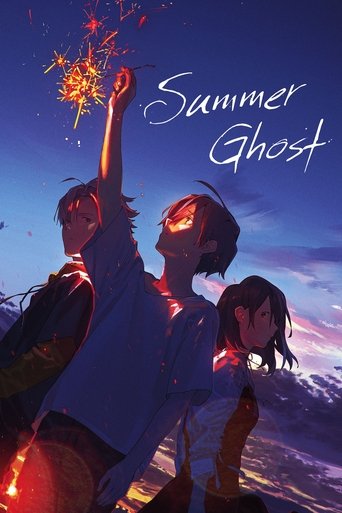
The franchise anime of the shelf come from the great series of the Shōnen Jump magazine. Dragon Ball has three films, all directed by Yoshihiro Ueda: the reunion special of 2008, the most voted film of the shelf; Dragon Ball: Episode of Bardock, of 2011, about the father of Goku, and Dragon Ball Z: Plan to Eradicate the Super Saiyans, of 2010, a remake of a story first told alongside a video game in 1993. Naruto has a short special of 2003, and Monsters: 103 Mercies Dragon Damnation, of 2024, adapts an early one-shot manga by Eiichiro Oda, the creator of One Piece. Little Witch Academia, of 2013, by Yoh Yoshinari, funded by a Japanese government programme for young animators, follows a girl at a school of magic and grew into a full series; Cat Soup, of 2001, by Tatsuo Sato, is a surreal and unsettling journey of a kitten to the land of the dead; and Summer Ghost, of 2021, by the illustrator loundraw, at exactly 40 minutes, tells of three teenagers who meet the ghost of a young woman who appears when fireworks are lit.
Independent animation
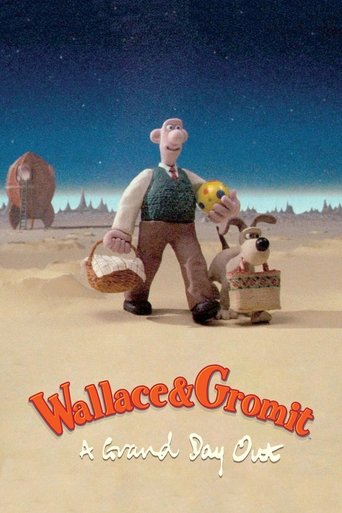
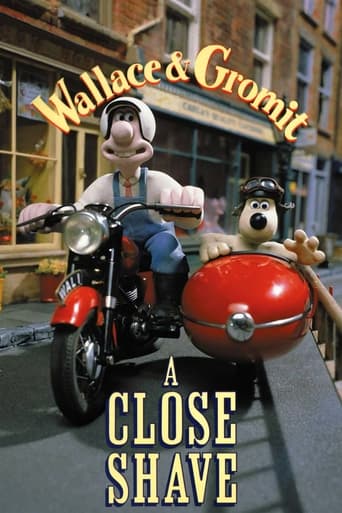
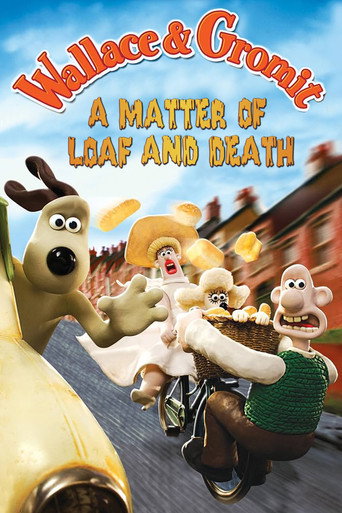
The shelf Independent animation holds thirteen animated shorts from 1965 to 2022 made outside the big studios of the first family. Four of them are by Nick Park of the Aardman studio in Bristol, all with Wallace, the inventor who loves cheese, and Gromit, his silent and far wiser dog: A Grand Day Out, of 1990, a trip to the Moon in a homemade rocket; The Wrong Trousers, of 1993, the most voted film of the shelf, with a penguin thief and a pair of robotic trousers, and A Close Shave, of 1996, with a sheep rustling plot, both winners of the Academy Award; and A Matter of Loaf and Death, of 2008, a serial killer of bakers.
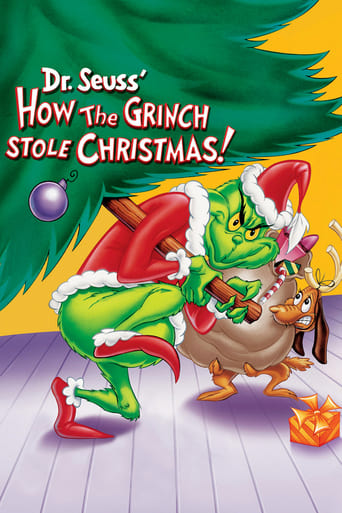
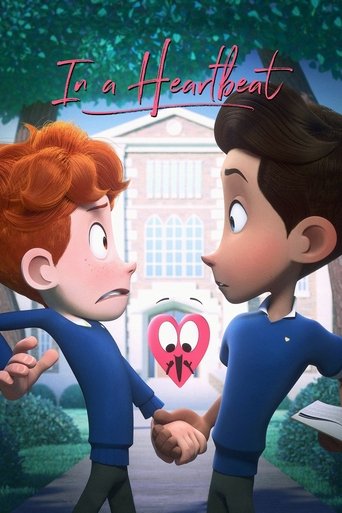
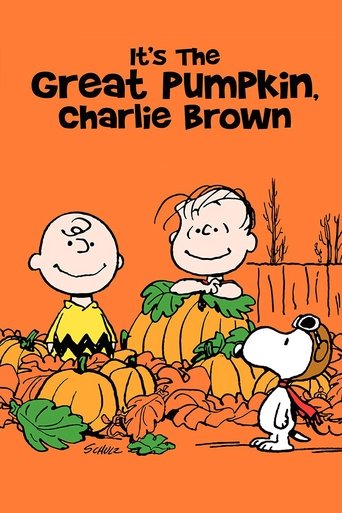
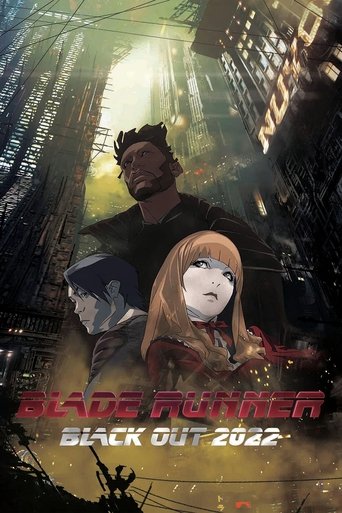
The American television specials of the 1960s are the other great classics of the shelf. A Charlie Brown Christmas, of 1965, by Bill Melendez, with its jazz score by Vince Guaraldi, and It's the Great Pumpkin, Charlie Brown, of 1966, still air every year in the United States; How the Grinch Stole Christmas!, of 1966, by Chuck Jones, with Boris Karloff as the narrator and the Grinch, is the second most voted film of the shelf, and Frosty the Snowman, of 1969, by Rankin and Bass, completes the holiday quartet. The modern independents are just as strong: The Boy, the Mole, the Fox and the Horse, of 2022, the best rated film of the shelf, with an 8.2, from the illustrated book by Charlie Mackesy; If Anything Happens I Love You, of 2020, a wordless film about two parents grieving a child lost to a school shooting; both won the Academy Award. In a Heartbeat, of 2017, a student film about a boy whose heart runs after the boy he loves, became a worldwide sensation online; World of Tomorrow, of 2015, by Don Hertzfeldt, a little girl visited by her clone from the future, is a cult classic of the internet age, and Blade Runner: Black Out 2022, of 2017, by Shinichiro Watanabe, the director of Cowboy Bebop, bridges the two Blade Runner films.
Live-action shorts
The shelf Live-action shorts runs from 1943 to 2023. Its most voted film is Kung Fury, of 2015, by David Sandberg, a Swedish homage to the action films of the 1980s, paid for by a crowdfunding campaign, in which a Miami cop with kung fu powers travels back in time to fight Hitler; it is the second most voted film of the guide. The best rated is La Jetée, of 1962, by Chris Marker, with a 7.9, a story of time travel after a nuclear war told almost entirely in still photographs, which inspired Twelve Monkeys. Meshes of the Afternoon, of 1943, by Maya Deren and Alexander Hammid, the oldest film of the shelf, is a founding work of American experimental film, and The Red Balloon, of 1956, by Albert Lamorisse, follows a boy in Paris and a balloon that follows him everywhere; it won the Palme d'Or for short films at Cannes and an Academy Award for its screenplay.
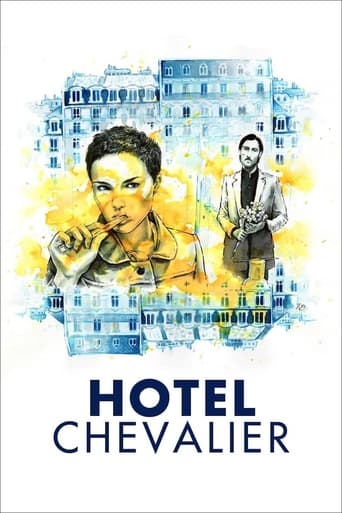
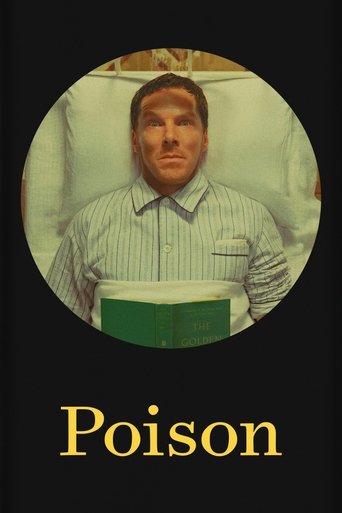
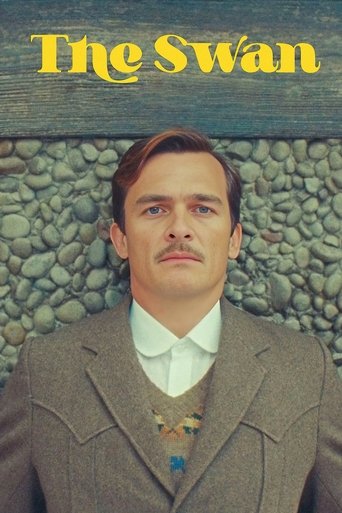
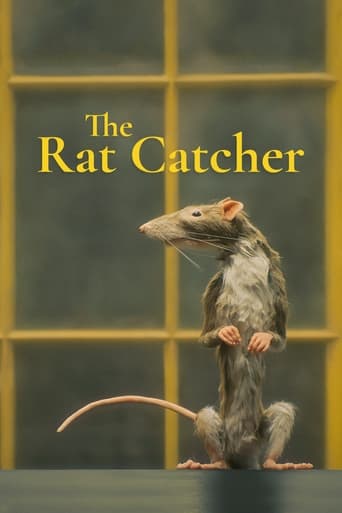
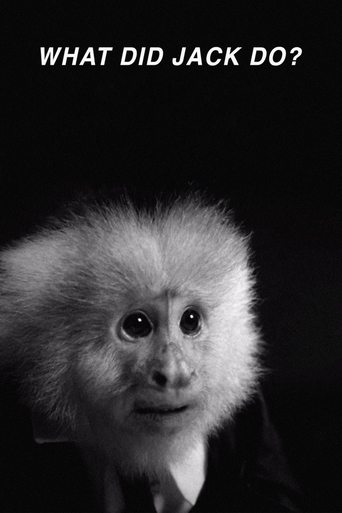
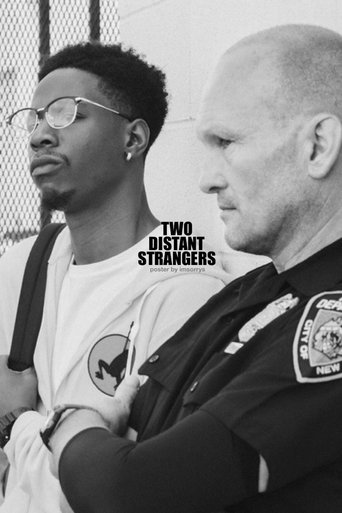
Wes Anderson has five films on the shelf, more than anyone else on it: Hotel Chevalier, of 2007, with Jason Schwartzman and Natalie Portman, the prologue of The Darjeeling Limited, and four adaptations of Roald Dahl made for Netflix in 2023, The Wonderful Story of Henry Sugar, with Benedict Cumberbatch and Ralph Fiennes, winner of the Academy Award for best live-action short, Poison, The Swan and The Rat Catcher. The other directors of the shelf are famous for their features: Christopher Nolan with Doodlebug, of 1997, three minutes of a man chasing a tiny creature in his flat; James Wan with Saw, of 2003, the ten-minute short that he made to sell the idea of the feature film of the following year, and David Lynch with a black and white interrogation of a monkey in a train station, of 2017. Two Distant Strangers, of 2020, a time-loop drama about a young Black man who keeps reliving a fatal encounter with a police officer, won the Academy Award for best live-action short.
The Oscar shorts
The Academy Awards have honoured short films since 1932, and fifteen winners of the awards for animated and live-action shorts are in this guide. Pixar has four, Geri's Game, For the Birds, Piper and Bao; Disney two, Paperman and Feast; Aardman two, The Wrong Trousers and A Close Shave. The other animated winners are The Old Man and the Sea, painted on glass by Aleksandr Petrov; La Maison en Petits Cubes, the first winner from Japan; Hair Love; If Anything Happens I Love You and The Boy, the Mole, the Fox and the Horse. The two live-action winners are Two Distant Strangers and The Wonderful Story of Henry Sugar, the first Academy Award of Wes Anderson. Many more of the shorts were nominated, from Mickey's Christmas Carol and World of Tomorrow to Day & Night, and The Red Balloon won an Oscar for its screenplay against feature films. The guide The Oscar shorts lists the winners by year.
The directors
The directors with the most films in the guide are Georges Méliès, with six, all on the shelf of the pioneers, and Charlie Chaplin, also with six, all silent comedies. Wes Anderson and Buster Keaton have five each; Keaton directed his with Edward F. Cline, who has four. Nick Park, Chuck Jones and Joaquim Dos Santos have four each: Park all with Wallace and Gromit, Jones three Looney Tunes and the Grinch, Dos Santos four DC shorts. Makoto Shinkai, Yoshihiro Ueda, Fyodor Khitruk and Gary Trousdale have three each, and Tim Burton, Yuri Norstein, Bill Melendez and D. W. Griffith two each.
The short is also where many great careers began. Tim Burton made Vincent and Frankenweenie at Disney before his features; Christopher Nolan made Doodlebug before Following and Memento; James Wan made the short of Saw to find the money for the feature; Makoto Shinkai made Voices of a Distant Star before Your Name; Domee Shi made Bao before Turning Red, and Enrico Casarosa made La luna before Luca. The guide The directors lists them all.
Under ten minutes
Fifty-two shorts of the guide last ten minutes or less, and the collection Under ten minutes gathers them, most voted first. They are the purest form of the short: most of the Pixar shorts, from the four minutes of For the Birds and Geri's Game to the eight of Bao; the Disney shorts from Paperman to Feast; the three Looney Tunes of Chuck Jones, at seven minutes each; the first two Soviet Winnie-the-Pooh films, at ten; Team Thor, at three; and the six one-minute films of the pioneers, from The Sprinkler Sprinkled to The Kiss. With an average of 7.18, they are rated just as well as the longer shorts. The guide Under ten minutes picks the best of them for a coffee break.
Holiday shorts
The short film is also the natural form of the holiday special, the half hour that television and streaming services schedule every December and October. The collection Holiday shorts gathers twenty of them, from the classics of the 1960s, A Charlie Brown Christmas, the Great Pumpkin, the Grinch and Frosty the Snowman, to the specials of the modern studios: Mickey's Christmas Carol, Olaf's Frozen Adventure and Once Upon a Snowman for Disney, the two Toy Story specials for Pixar, Shrek the Halls, Scared Shrekless, Merry Madagascar, Kung Fu Panda Holiday, Trolls Holiday and Dragons: Gift of the Night Fury for DreamWorks, and the two Ice Age specials for Fox. For a Christmas evening, a Halloween night or even an Easter afternoon, there is a short for the occasion.
OnShort in figures
The 150 films of the guide carry about 83,000 votes on TMDB, with an average rating of 7.12, and ten of them reach 8 or more; the collection Rated 7.5 or more gathers the 43 shorts rated 7.5 or more, best first. The most voted are A Trip to the Moon, Kung Fury, Frozen Fever, Paperman, Piper and Superman/Shazam!: The Return of Black Adam. The films last sixteen minutes on average, and 2,467 minutes in all; the longest, at 40 minutes, are Summer Ghost and the Naruto special of 2003, followed by The Wonderful Story of Henry Sugar, at 39, and Shoulder Arms, at 36. By decade, the guide has 35 films from the 1890s to the 1920s, 24 from the 1940s to the 1980s and 91 from 1990 to 2024, with 46 from the 2010s alone. 109 films are in English, thirteen in Japanese, thirteen in Russian and twelve in French. The guide The figures gathers every number.
Shorts that grew up
Many shorts of the guide had a second life as something longer. Tim Burton remade Frankenweenie as a stop-motion feature in 2012, almost thirty years after the live-action short; the ten-minute Saw of James Wan became the feature film of 2004 and a whole horror series; Wallace and Gromit reached feature length in 2005 with The Curse of the Were-Rabbit; and Little Witch Academia became a full television series in 2017. Chris Marker's La Jetée was remade as a feature by Terry Gilliam, Twelve Monkeys, and Hair Love continued as a television series about the same family. Don Hertzfeldt kept his clone story going with two more episodes of World of Tomorrow, and the little Pixar baby of Jack-Jack Attack grew into a major character of Incredibles 2. Even Team Thor had sequels, and its comic spirit passed into a feature film the next year. In the other direction, almost every DreamWorks short of the guide started from a feature, as a holiday special or a small new adventure for the heroes of Shrek, Madagascar, Kung Fu Panda and the Dragons, so that the guide also shows the short film as the space between two features, where the characters can rest, celebrate or simply have fun.
Where to begin
A short film asks for very little: a few minutes and a little attention. For a first visit, start with one short from each family: Piper or Paperman for the studio shorts, Duck Amuck or Hedgehog in the Fog for the cartoon classics, A Trip to the Moon or One Week for the silent era, and The Wrong Trousers or La Jetée for the new shorts. For an evening, build a programme like the cinemas of the past, a cartoon, a comedy and a drama: Duck Amuck, then The Immigrant by Chaplin, then The Red Balloon. For a family afternoon, the four Wallace and Gromit films make a perfect two hours, and for a night of Wes Anderson, his four Roald Dahl films of 2023 last about 90 minutes together, the length of one feature.
How to use OnShort
The home page opens with the introduction and the Stories, a row of twelve round bubbles with a magenta-to-violet ring, one for each shelf, each with its family, its name and its number of films; a bubble leads to the row of that shelf further down. Each row sits in a dark rounded panel with a pill button, Watch all, that opens the full shelf. Each poster shows the TMDB rating, the year and the tag of its shelf, and under it come the first genre and the running time in minutes, so that you can see at a glance how long each short lasts. The menu at the top leads to the four families, and the search box finds any short by its title; the guide Search tips explains how.
The film page has the English synopsis, the credits, the genres and the release date. The Watch now button opens the film on JustWatch, which shows the services that offer it in your country; many shorts are included with the streaming services of their studios, and many silent films are in the public domain. The button Add to My List keeps a film in My list, stored in your browser. The guide How to use OnShort explains each part, and the guide The Watch now button explains how JustWatch works.
Questions
What is OnShort
An English guide to 150 short films of 40 minutes or less, in twelve shelves and four families.
How long is a short film
In this guide, 40 minutes or less, the limit used by the Academy Awards.
Which short has the most votes
A Trip to the Moon, by Georges Méliès, with about 2,100 votes.
Which short is the best rated
DC Showcase: Death, with an 8.4, followed by Once Upon a Studio, with an 8.3.
Which is the oldest film
The Sprinkler Sprinkled and The Execution of Mary, Queen of Scots, both of 1895.
Which directors have the most films
Georges Méliès and Charlie Chaplin, with six each.
How many Oscar winners are there
Fifteen winners of the Academy Awards for animated and live-action shorts.
How long are the shorts
Sixteen minutes on average, from one minute to forty.
Where can I watch the films
The Watch now button opens each film on JustWatch, which shows the services that offer it in your country.
Where is My list kept
In your browser, on the device where you create it.
